
Translation note: This article was translated with the assistance of AI.
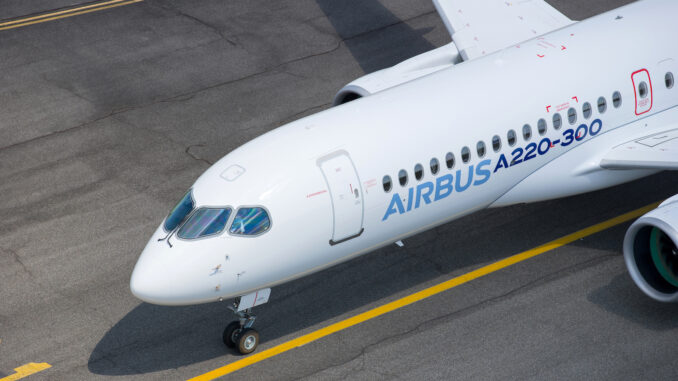
Liquids spilled in the passenger cabin can cause serious malfunctions on the Airbus A220. Water entering an avionics compartment beneath the cabin floor has caused multiple system failures and cockpit alerts, forcing some flights to divert. On November 4, 2026, the European Union Aviation Safety Agency (EASA) issued a new Airworthiness Directive (AD) mandating additional sealing on certain Airbus A220-100 and A220-300 aircraft.
Water Ingress Has Already Caused System Failures
The affected compartment, the Mid Avionics Bay, sits beneath the cabin floor and houses components of the aircraft’s Electrical Wiring Interconnection System (EWIS). This system comprises wiring, connectors, and other interconnection elements that carry electrical power and signals between aircraft systems.
Several incidents of water entering the compartment during normal operations prompted the regulatory action. Transport Canada cites “cabin water spillage” as the probable source in its Airworthiness Directive CF-2026-16. The regulatory documents leave open whether passengers spilled beverages or the water came from another source in the cabin.
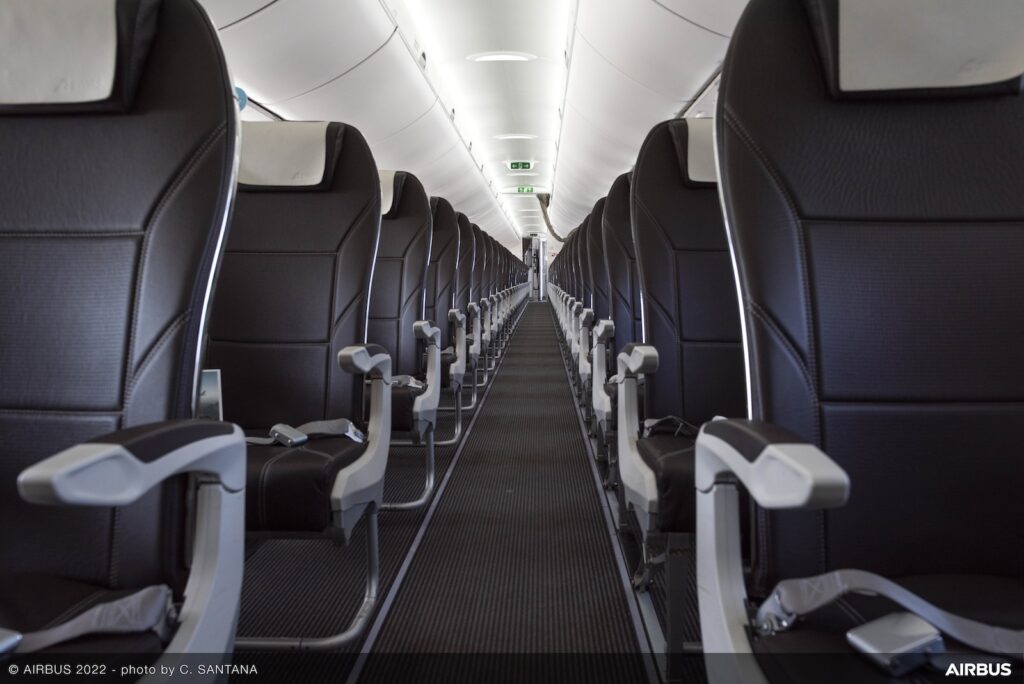
The incidents caused multiple aircraft system failures and associated Crew Alerting System messages. Several flights diverted to alternate airports, although the authorities do not specify which systems failed.
Airbus Canada’s engineering review identified the Mid Avionics Bay as susceptible to fluid infiltration. Some replaceable EWIS components housed there are not qualified for exposure to water ingress.
EASA warns that water entering the compartment could cause cascading failures of essential aircraft systems, compromising continued safe flight and landing and significantly increasing crew workload.
Issue Known Since 2025
Airbus Canada set out measures to prevent water ingress in Service Bulletin BD500-530017, Issue 001, dated December 15, 2025. These measures are designed to keep liquids out of the avionics compartment beneath the passenger cabin.
The modification calls for sealing gaps and interfaces between cabin floor panels, seat tracks, and floor beams above the compartment. These seals are intended to close potential liquid ingress paths to sensitive electrical components.
Transport Canada made the sealing measures mandatory for certain Airbus A220 aircraft under Airworthiness Directive CF-2026-16, issued in March 2026. Effective April 9, 2026, the directive allowed 9,350 flight hours for compliance.
EASA Significantly Shortens Compliance Deadline
EASA initially adopted the Canadian directive. A subsequent safety assessment led the European regulator to conclude that operators needed to complete the work sooner. It published its own proposed directive, PAD 26-112, in September 2026.
Issued on November 4, 2026, the final Airworthiness Directive AD 2026-0213 requires the same technical measures within a substantially shorter compliance period.
The directive takes effect on November 18, 2026. Operators then have 2,450 flight hours to modify affected aircraft on which the work has not already been completed. Within EASA’s jurisdiction, this directive supersedes the adopted Canadian requirements and establishes the shorter compliance period under EASA’s own regulation.
The mandated work seals potential liquid ingress paths into the compartment; it does not modify the affected electrical components.