
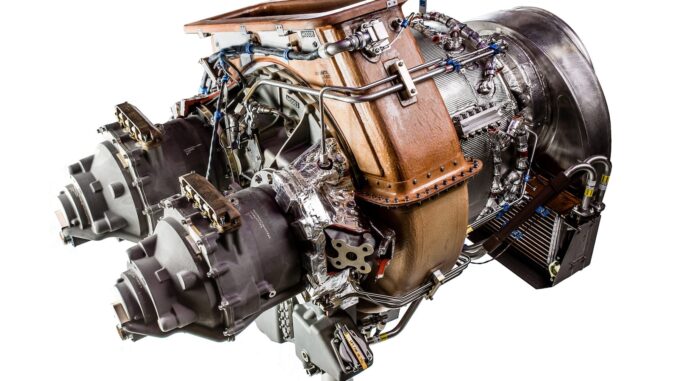
On modern commercial aircraft, the Auxiliary Power Unit (APU) is generally a small gas turbine, but it is not a miniature main engine. Its purpose is not propulsion but the supply of secondary energy – above all electrical power and, depending on the aircraft and system architecture, pneumatic power.
Why an APU is needed on the ground
Before engine start, avionics, lighting, air conditioning and other systems have to operate. The APU can drive generators and provide compressed air for starting the main engines. Airports try to reduce APU use by supplying ground power and pre-conditioned air because an operating APU burns fuel and creates noise.
In flight it becomes a source of redundancy
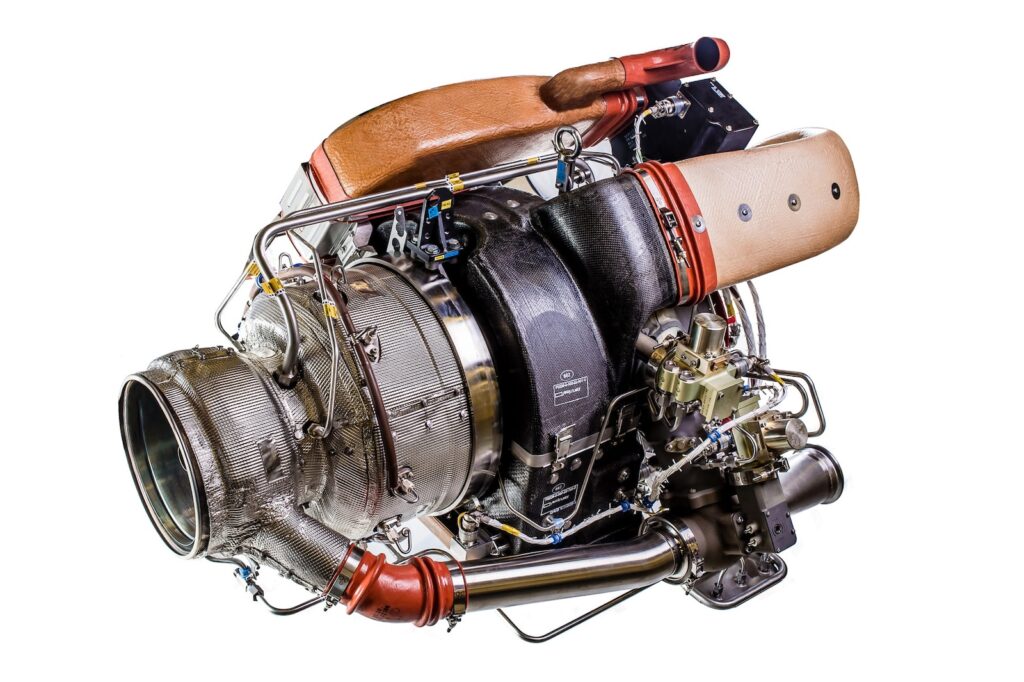
On some aircraft, the APU can also be started at altitude and provide electrical or pneumatic power if normal sources are lost. The functions actually available depend on the aircraft type. The APU is therefore not an emergency propulsion unit, but it can be an important element in the aircraft’s energy architecture.
On airliners, the APU is usually a gas turbine
The gas-turbine APU commonly used on modern airliners operates on the same basic thermodynamic principle as a gas-turbine engine, but it is optimised to supply energy rather than thrust. It drives generators and, on many aircraft, also provides pneumatic power for air conditioning and main-engine starting. The exact electrical and pneumatic functions available are type-specific. Depending on the aircraft, the APU can also be used as an additional energy source in flight.
Why airlines try to minimise APU use at the gate
A running APU consumes fuel, generates noise and emissions, and accumulates operating hours that eventually drive maintenance. Airports therefore provide external electrical power and pre-conditioned air. Whether operators use this infrastructure is an economic and operational decision. During very short turnarounds or where ground support is inadequate, running the APU can still make sense.

Redundancy determines its role in flight
In some abnormal or emergency situations, the APU can provide electrical or pneumatic power when other sources are unavailable. Which functions remain available depends on altitude, aircraft type and system architecture. It is therefore misleading to describe the APU simply as an “emergency engine”: it normally produces no meaningful propulsive thrust, but it may be crucial for keeping essential systems powered after another source has been lost.
A systems perspective
APUs must start reliably even after long ground periods, in severe cold or at altitude. At the same time, they need to be light, quiet and economical to maintain. Their duty cycles differ markedly from those of main engines: frequent starts, relatively short operating periods and strong thermal cycling have a major influence on service life.
How an APU is built
Modern airliner APUs are generally small gas turbines. A compressor raises the pressure of incoming air, fuel is added in the combustion chamber, and a turbine extracts power from the hot gas. That power drives the compressor and one or more generators. In many system architectures, compressed air can also be supplied for air conditioning or main-engine starting, although the exact arrangement varies by aircraft type.
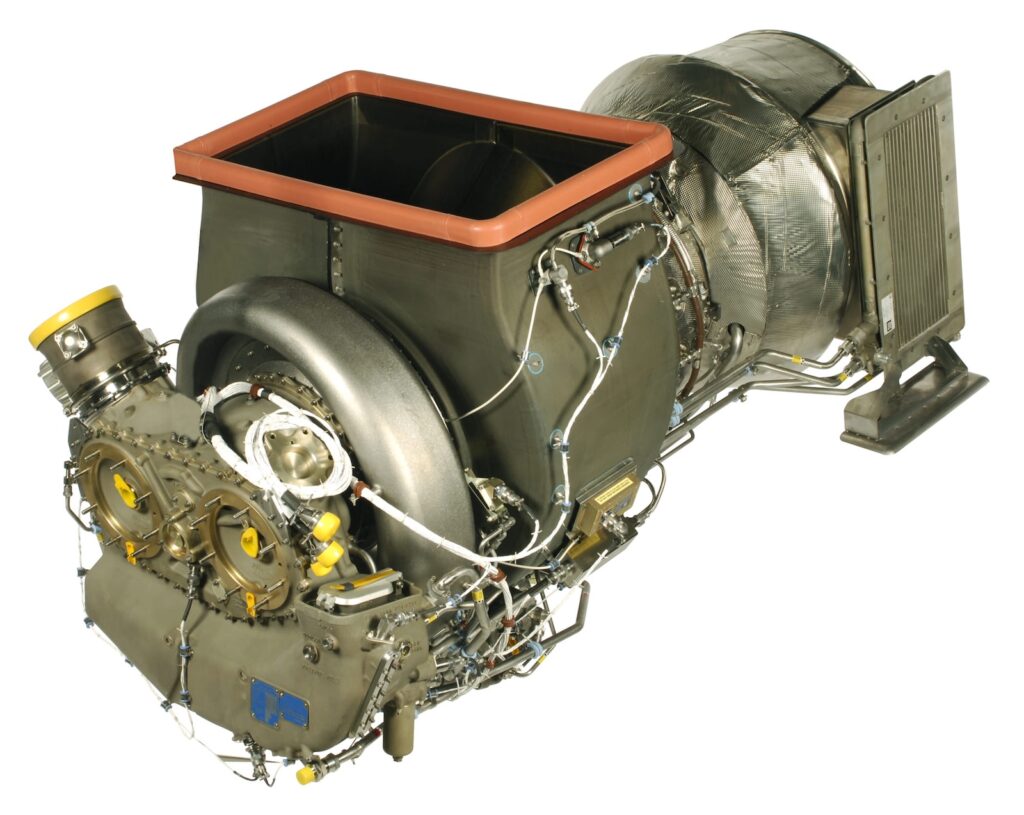
Installing the APU in the tail has practical advantages. The unit can be accommodated relatively independently of passenger and cargo spaces, air can be supplied through a dedicated inlet and exhaust discharged aft. Fire protection, acoustic treatment and maintenance access nevertheless remain important engineering tasks.
Why airports want APUs to run for as little time as possible
On the ground, an APU is convenient but not particularly efficient. It burns aviation fuel and produces noise and local emissions. Airports therefore offer external ground power and, increasingly, pre-conditioned air. Where this infrastructure is available, the APU can remain shut down.
Its role in flight is different. Depending on the aircraft, it can provide an additional source of electrical or pneumatic energy and create redundancy in abnormal situations. Operating limits vary by type. Its importance therefore lies less in continuous output than in its ability to supply energy when the main systems cannot yet provide it – or can no longer do so.
Images: Airbus, Pratt & Whitney